
Breaking Down Barriers: The Discrimination Against Persons with Disabilities Act in Nigeria
Nigeria's Discrimination Against Persons with Disabilities (Prohibition) Act of 2018 marks a significant milestone in the country's commitment to ensuring equality and inclusivity for individuals with disabilities. The Act prohibits discrimination based on disability and promotes accessibility, inclusive education, independent living, community inclusion, and equality. It mandates that public buildings and facilities be accessible, promotes inclusive education, and empowers individuals with disabilities to live independently and participate in their communities.
LAW AND IMPLEMENTATION
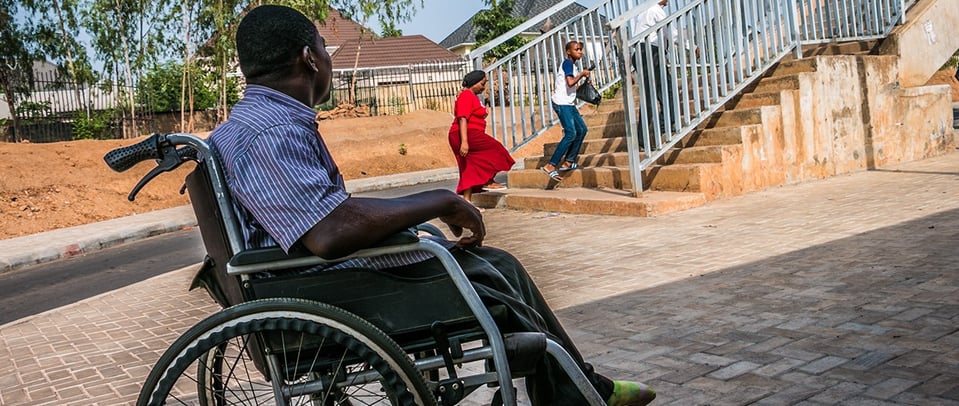
In Nigeria, the journey towards inclusivity and equality has taken a significant step forward with the enactment of the Discrimination Against Persons with Disabilities (Prohibition) Act of 2018. This landmark legislation serves as a beacon of hope for millions of individuals with disabilities, safeguarding their rights and combating discrimination in all its forms.
Understanding the Law
At its core, the Discrimination Against Persons with Disabilities Act is a powerful legal instrument designed to protect and promote the rights of people with disabilities across Nigeria. Enacted in 2018, this law represents a pivotal moment in the country's commitment to disability inclusion and equality.
Key Provisions
One of the key provisions of the Act is the prohibition of discrimination based on disability. This means that individuals with disabilities are entitled to equal treatment and opportunities in all aspects of life, including employment, education, healthcare, and public services.
Furthermore, the law explicitly outlines the rights of people with disabilities, including:
1. Accessibility: The Act mandates that public buildings and facilities must be accessible to individuals with disabilities. This includes the installation of ramps, lifts, and other accessibility aids to ensure that everyone can navigate public spaces with ease and dignity.
2. Inclusive Education: Every child has the right to education, and this law ensures that children with disabilities have access to quality education in inclusive settings. Schools are required to make reasonable accommodations to accommodate the diverse needs of all students.
3. Independent Living: People with disabilities have the right to live independently and participate fully in society. The Act promotes the provision of support services and assistive devices to enable individuals with disabilities to live independently and make their own choices.
4. Community Inclusion: Social inclusion is essential for the well-being and dignity of individuals with disabilities. The law emphasizes the importance of community inclusion, ensuring that people with disabilities have equal opportunities to participate in community activities and events.
5. Equality and Non-Discrimination: Above all, the Discrimination Against Persons with Disabilities Act upholds the principles of equality and non-discrimination. It affirms that every person, regardless of ability, deserves to be treated with respect, dignity, and fairness.
Impact and Implementation
Since its enactment, the Discrimination Against Persons with Disabilities Act has made significant strides in advancing disability rights and promoting inclusivity across Nigeria. However public awareness of disability rights still poses lots of issues and the need for a centralized communication and action system for this to be effectively carried out is paramount. There is a growing need for all sectors of the society to be aware and take the necessary steps to achieve a safe and inclusive space.
Also, challenges remain in the full implementation of the law. Many public buildings and facilities still lack adequate accessibility features, and there is a need for greater investment in inclusive education and support services for people with disabilities.
Moving Forward
As we reflect on the achievements and challenges of the Discrimination Against Persons with Disabilities Act, it is clear that there is still much work to be done. We must continue to advocate for the full implementation of the law, hold decision-makers and stakeholders (business owners) accountable, and work towards building a more inclusive and accessible Nigeria for all.
At the I-INLCUDE Project, we are committed to advancing disability rights and promoting inclusivity in Nigeria. Through our advocacy efforts, training programs, and collaborations with businesses and communities, we are working to break down barriers and create a society where every person, regardless of ability, can thrive.
Together, let's continue to champion the rights of people with disabilities, challenge discrimination, and build a future where everyone has the opportunity to live with dignity and respect.
Conclusion
The Discrimination Against Persons with Disabilities Act of 2018 represents a significant milestone in Nigeria's journey towards inclusivity and equality. By upholding the rights of people with disabilities and prohibiting discrimination, this law is paving the way for a more accessible, inclusive, and equitable society. As we move forward, let us remain steadfast in our commitment to building a future where everyone can participate fully and equally, regardless of ability.